
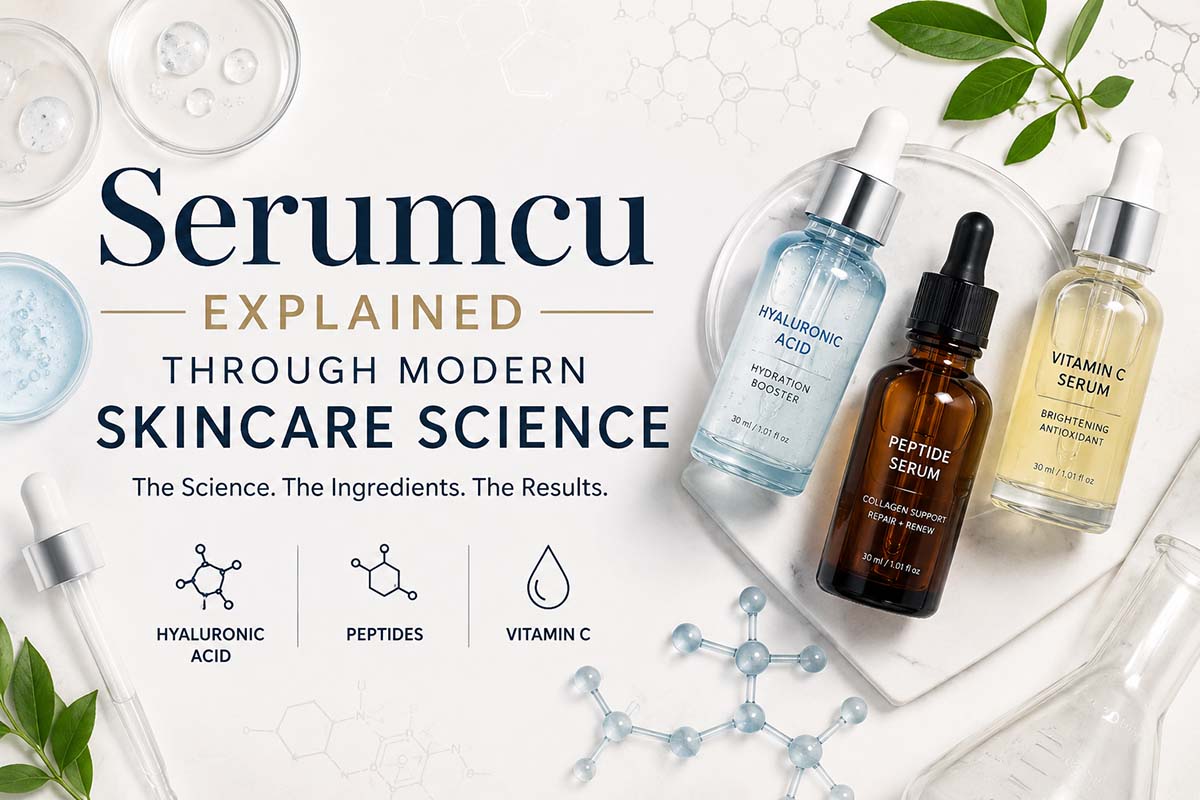
Serumcu Explained Through Modern Skincare Science
Introduction
As skincare continues to evolve, new terms and concepts regularly emerge across beauty blogs, social media, and product marketing. One such term attracting attention is Serumcu. Although it is becoming more visible online, many consumers are unsure whether it refers to a specific product, a skincare philosophy, or simply a modern way of describing serum-focused skincare. Understanding the science behind facial serums, their ingredients, and their role in a daily routine helps separate marketing language from practical skincare advice. This article explores the concept through an evidence-based lens while highlighting what modern dermatological research says about effective serum formulations.
What Is Serumcu?
Unlike established cosmetic terms such as moisturizer, toner, or exfoliant, Serumcu does not currently have a standardized scientific or dermatological definition. Instead, it has emerged primarily through online skincare discussions and content that focuses on advanced serum-based routines.
In most contexts, the term refers to an approach that emphasizes concentrated skincare serums containing active ingredients selected to address specific skin concerns. Rather than relying on a single all-purpose product, this philosophy encourages choosing targeted formulations based on individual skin needs.
While the terminology itself is relatively new, the underlying concept aligns with modern skincare practices that prioritize ingredient-focused treatments.
Serumcu Through the Lens of Modern Skincare Science
Modern dermatology has shifted away from one-size-fits-all skincare. Today’s recommendations focus on evidence-backed ingredients that target specific concerns while supporting overall skin health.
Serums differ from traditional creams because they typically contain higher concentrations of active ingredients and lighter formulations that allow better penetration into the upper layers of the skin.
Common scientifically supported ingredients include:
- Hyaluronic acid for hydration
- Vitamin C for antioxidant protection
- Niacinamide for improving skin barrier function
- Retinol for improving skin texture and signs of aging
- Peptides for supporting collagen production
- Ceramides for strengthening the skin barrier
Rather than treating serums as miracle products, dermatologists recommend selecting ingredients based on individual skin concerns.
Why Serumcu Has Become Popular
Several trends have contributed to the growing interest in serum-focused skincare.
Ingredient Transparency
Consumers increasingly read ingredient labels instead of relying solely on brand claims. Products highlighting clinically studied ingredients often receive greater attention.
Personalized Beauty
Modern skincare emphasizes customization. Someone with acne-prone skin has different needs than someone focused on hydration or reducing pigmentation.
Social Media Education
Platforms like YouTube, Instagram, and TikTok have made ingredient education more accessible, encouraging consumers to learn about active ingredients before purchasing products.
Preventive Skincare
Many people now begin using antioxidant and barrier-supporting ingredients earlier in adulthood instead of waiting until visible aging appears.
How Serumcu Fits Into a Healthy Skincare Routine
A serum should complement—not replace—a complete skincare routine.
A balanced routine generally includes:
Morning
- Gentle cleanser
- Antioxidant serum (such as Vitamin C)
- Moisturizer
- Broad-spectrum sunscreen (SPF 30 or higher)
Evening
- Cleanser
- Treatment serum appropriate for your skin concern
- Moisturizer
Consistency generally produces better results than using multiple products inconsistently.
Choosing the Right Active Ingredients
One of the biggest advantages of serum-based skincare is the ability to target specific concerns.
For Dry Skin
Look for:
- Hyaluronic acid
- Glycerin
- Ceramides
- Panthenol
These ingredients attract and retain moisture while supporting the skin barrier.
For Oily Skin
Beneficial ingredients include:
- Niacinamide
- Zinc
- Salicylic acid
These help regulate oil production and improve pore appearance.
For Hyperpigmentation
Evidence-supported ingredients include:
- Vitamin C
- Azelaic acid
- Tranexamic acid
- Niacinamide
Results typically require several weeks of consistent use.
For Fine Lines
Dermatologists often recommend:
- Retinol
- Retinal
- Peptides
- Bakuchiol (for some users seeking gentler alternatives)
These ingredients may improve skin texture and reduce the appearance of early aging over time.
Serumcu vs. Traditional Moisturizers
Many people mistakenly believe serums replace moisturizers.
In reality, they serve different purposes.
| Serum | Moisturizer |
|---|---|
| Delivers concentrated active ingredients | Locks in moisture |
| Lightweight texture | Richer protective barrier |
| Targets specific concerns | Supports overall hydration |
| Usually applied before moisturizer | Applied after serum |
Using both products together often provides better results than relying on either alone.
Common Misconceptions
More Products Mean Better Results
Using multiple active ingredients simultaneously can increase irritation rather than improving outcomes.
Expensive Means More Effective
Price does not necessarily reflect performance. Ingredient quality, formulation stability, and proper packaging matter more.
Immediate Results Are Normal
Most clinically proven ingredients require consistent use over several weeks before noticeable improvements appear.
Every Serum Works for Everyone
Skin type, sensitivity, lifestyle, and environmental factors all influence product performance.
What Dermatology Research Says
Modern research supports several active ingredients commonly found in serums.
For example:
- Vitamin C functions as an antioxidant that helps reduce environmental damage.
- Retinoids remain among the most studied ingredients for improving signs of photoaging.
- Niacinamide has demonstrated benefits for skin barrier support and pigmentation.
- Hyaluronic acid improves hydration by attracting water to the skin’s surface.
- Ceramides help repair and maintain the skin’s protective barrier.
However, experts also emphasize that formulation quality, ingredient concentration, and consistent application matter more than marketing terminology.
The American Academy of Dermatology provides evidence-based guidance on building effective skincare routines and selecting products appropriate for different skin types.
Should Beginners Follow a Serum-Focused Routine?
Yes—but gradually.
Rather than purchasing several treatment products immediately, beginners should:
- Start with one serum targeting their primary concern.
- Patch test before full-face application.
- Introduce only one active ingredient every few weeks.
- Wear sunscreen daily when using ingredients like retinol or exfoliating acids.
- Monitor skin for irritation.
Simple routines are often easier to maintain and less likely to cause sensitivity.
Building an Effective Routine Without Chasing Trends
Skincare trends change quickly, but healthy skin depends on consistency rather than novelty.
A practical routine should focus on:
- Gentle cleansing
- Daily sun protection
- Moisturizing regularly
- Selecting evidence-based active ingredients
- Giving products enough time to work
- Avoiding unnecessary layering
Consumers benefit most from understanding ingredient science instead of following every emerging trend.
The Future of Serumcu in Skincare
As personalized skincare continues to grow, terminology centered around ingredient-focused treatments may become more common. Whether or not Serumcu evolves into a widely recognized industry term, the broader movement toward customized skincare reflects changing consumer expectations.
Advances in cosmetic chemistry, skin barrier research, and ingredient technology are making it easier for people to choose products tailored to their unique needs. At the same time, healthcare professionals continue to encourage realistic expectations, emphasizing that healthy skin comes from consistent care rather than any single product or trend.
FAQs
Is Serumcu a medically recognized skincare term?
No. It is currently an emerging online term rather than a formally recognized dermatological or scientific classification.
Can I use more than one serum at a time?
Yes, but it depends on the ingredients. Some combinations work well together, while others may increase irritation. Introduce products gradually and follow product instructions.
How long does it take to see results from a serum?
Many active ingredients require four to twelve weeks of consistent use before noticeable improvements appear, although hydration-focused ingredients may provide quicker visible effects.
Do I still need moisturizer after applying a serum?
Yes. Serums target specific concerns, while moisturizers help seal in hydration and protect the skin barrier.
Which ingredient is best for beginners?
Niacinamide and hyaluronic acid are often considered beginner-friendly because they generally suit many skin types and have a lower risk of irritation than stronger active ingredients.
Also Read: Onnilaina Explained
Conclusion
Modern skincare increasingly emphasizes ingredient knowledge, personalized routines, and consistent daily care rather than chasing the latest beauty buzzwords. While Serumcu is not yet an officially recognized dermatological term, it reflects the growing interest in targeted serum-based skincare. By choosing evidence-backed ingredients, introducing products thoughtfully, and maintaining realistic expectations, you can build a routine that supports healthier skin over the long term.
